Can You Use Canva Designs Commercially? A Guide for Client Work
By Reese Calder · Published September 5, 2026
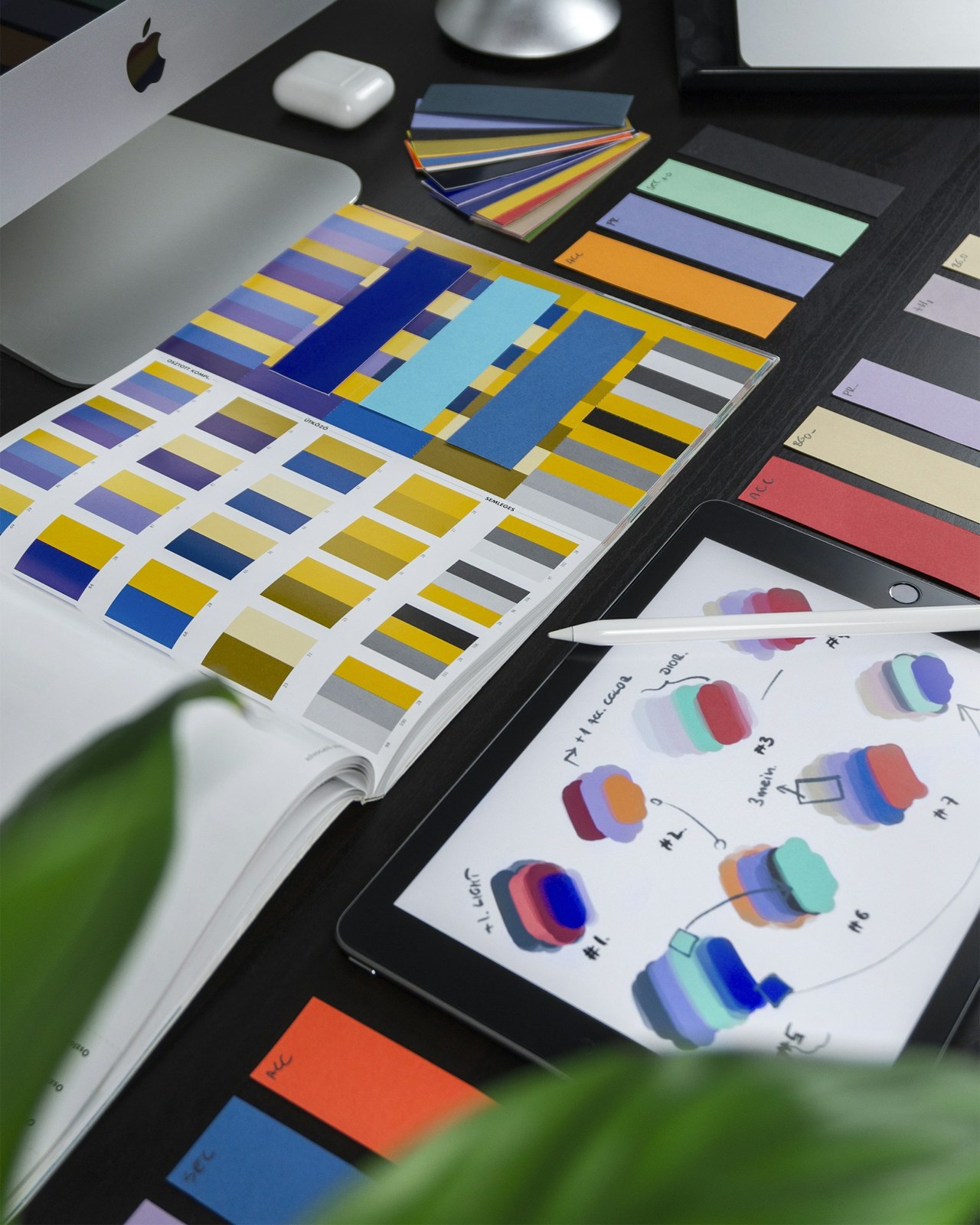
Illustrative photograph; it does not show the specific product interface or an independent test. Photo: Balázs Kétyi, Unsplash License.
Canva can be part of a commercial design workflow, but the intended deliverable matters. A finished social post, a reusable template, a standalone stock image, and an exclusive brand logo are different products.
Before designing, write down what the client will receive and how they intend to use it. That short brief helps you identify which license questions need an answer.
What Canva’s overview allows and restricts
Canva’s licensing explainer permits a broad range of commercial uses of content within Canva designs, including marketing and social media. It restricts reselling or redistributing the underlying content, and places limits on standalone stock content used on merchandise.
The guidance also distinguishes templates from finished designs. Pro content cannot be used in templates of any nature unless they are templates created for use on Canva. For trademarks, library content is excluded apart from fonts, simple shapes, and lines. Canva notes that other users can access the same library material. Source: Canva licensing explained.
For client transfers, section 4A of the agreement requires a written agreement limiting the client’s use to the permitted terms. It also says a design incorporating content can be transferred to a single client, and that the transferring designer remains responsible for the client’s compliance. This does not grant standalone rights to the underlying stock assets. Other categories, including Branded and Education Content, have additional restrictions. Source: Canva Content License Agreement.
Define the deliverable before choosing assets
Use an intake note with four fields: final format, publishing destinations, whether the client needs to edit it, and whether exclusivity is required.
For example, “five exported images for our own social accounts” gives you a clearer assignment than “a branding package.” A request to sell editable templates to customers raises additional questions that should be settled before the asset selection is complete.
Ask the client to identify likely future uses too. A design intended for a newsletter may later be requested for packaging or merchandise. Capture that change as a new requirement and check it rather than silently assuming the original plan covers it.
Keep an asset record with the design
Record which photographs, illustrations, fonts, and uploaded files you used. Include source links and the relevant license information for externally supplied material. A client-provided file should have an identified owner and intended permission rather than an anonymous “found online” label.
Name exports clearly and retain a project copy that shows the actual elements used. If a stock element needs replacement, this makes it easier to find every related version.
Separate the design handoff from the sales pitch
Give the client a short delivery note explaining what the files are, the agreed uses, and what they should check before adapting them into another product. Where editable access or stock licensing is involved, make the applicable account and license requirements clear.
For a logo brief, discuss ownership and exclusivity at the beginning. Do not wait until the client has selected a library graphic to explain why their expectations need more examination.
Review one representative export
Before delivering a batch, inspect an image at its intended size. Check spelling, contrast, margins, image quality, and the accuracy of any prices or product claims. Compare the final asset list with the licensed materials recorded in the project.
A good commercial design workflow connects the intended use, the chosen assets, and the delivery documentation. The subscription is one part of that workflow; the finished job still needs a clear brief and a checked handoff.
Continue reading
Related reading
Make vs Zapier: Calculate the Cost of Your Actual Automation
Compare Make credits and Zapier tasks using a sample business workflow, then account for usage, retries, AI charges, and maintenance.
ComparisonsMidjourney vs Leonardo AI for Creators: Which One Actually Fits Your Workflow (2026)
A detailed, cost-per-image breakdown of Midjourney vs Leonardo AI for YouTube thumbnails, channel art, and video stills — plans, token math, consistency tools, and commercial-use rules.
GuidesBest AI Thumbnail Generators for YouTube in 2026: A Full Step-by-Step Workflow
How to actually build high-CTR YouTube thumbnails with AI in 2026 — tool picks (Midjourney, Leonardo AI, ChatGPT Images), a compositing workflow, and mistakes that quietly kill click-through.